Let's play a game of "guess the US administration's next trade war move"—too late, you lose (me too). This week in the thrilling tale of most likely intentionally jarring ups and downs that is United States import/export policy, the Trump administration is reportedly considering allowing memory manufacturer giants Samsung and SK hynix to have their machinery shipments exported more smoothly from the US to plants in China thanks to a new in-advance annual approval system.
That's according to people
"who requested anonymity to disclose sensitive conversations" between the US government and South Korean industry officials, . And it's straight off the u31 เครดิตฟรี 31 บาท back of the US that allowed for easier exports to their China plants.

According to Bloomberg, a South Korean trade official explains that the US is concerned about “technology leakage or equipment being diverted to Chinese firms", thus the desire for more exact accounting of what's going where, in advance. All part of the technological arms race, then.
It's also pretty much par for the course in 2025, is it not? The Trump admin has already been doing the Hokey Cokey with even the biggest chip manufacturing companies such as TSMC, seemingly as a means to get better deals for the US. Most recently on this front, the US administration .
That shouldn't be as big of an issue for TSMC, though, as less of its manufacturing is done in China than Samsung and SK hynix. The latter two do a lot of production in South Korea, but a not-insubstantial amount of production goes on in mainland China.
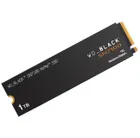
All of this is pretty far upstream from our graphics cards, SSDs, and memory kits, but it is the same stream. Slow-downs in memory manufacturing thanks to restricted exports can ultimately end up in fewer and more expensive SSDs, RAM, and graphics cards that use this memory. So, it's good to hear the two memory companies might be offered a "path forward", as the anonymous sources reportedly phrase it, higgledly piggledy though it might be (that addition being mine).
👉👈
1. Best overall:
2. Best budget:
3. Best PCIe 5.0:
4. Best budget PCIe 5.0:
5. Best 4 TB:
6. Best 8 TB:
7. Best M.2 2230:
8. Best for PS5:
9. Best SATA: